
I’ll put my hands up and admit it. I’m useless when it comes to insurance. I never seem to remember when it’s about to renew, and before I know it, it’s automatically renewed for another year. And rather than question it, I just leave it.
Well, it turns out that’s not a smart move as I’m leaving quite a lot of money on the table each year. And who doesn’t want to save money on insurance? My husband watched a documentary all about the secrets insurance companies don’t want you to know. What he told me made my ears prick up, and I started to do some research.
A few Google searches led me down some very interesting rabbit holes, and what I found out about premiums and how they work has saved me big on all my insurance policies. Even if you already do some of these things, it’s worth reading, as I’m pretty sure there are a few you won’t have heard of.

7 Ways to Save Money on Insurance
When did you last actually look at your insurance premiums? If you’re like most people, the answer is probably “a while ago.” The result? Millions of Americans overpay for insurance every year, often by hundreds of dollars or more. This is your easy guide to saving on your insurance policies.
Bundle Your Policies

Most insurance companies want more than one policy from you. They want your car, your home, your travel coverage, and, if they can get it, your life insurance, too. To make that happen, they offer a multi-policy discount, which can be worth real money.
Bundling your home and auto insurance together can save anywhere between 5% and 30%, depending on the company. Allstate offers up to 25% off. Amica goes as high as 30%. Research from Consumer Reports found that bundling can save over $348 a year for many households.
Get separate quotes for each policy from different providers. Add those numbers up. Then compare the total to what a bundle from the same company would cost you. Factor in convenience, claims service, and customer ratings too, not just price.
Beyond home and auto, you can sometimes bundle renters insurance, motorcycle coverage, and even boat insurance. The sweet spot is almost always auto plus home or renters, since those are the policies companies push hardest and where the discounts tend to be biggest.
Timing is Everything
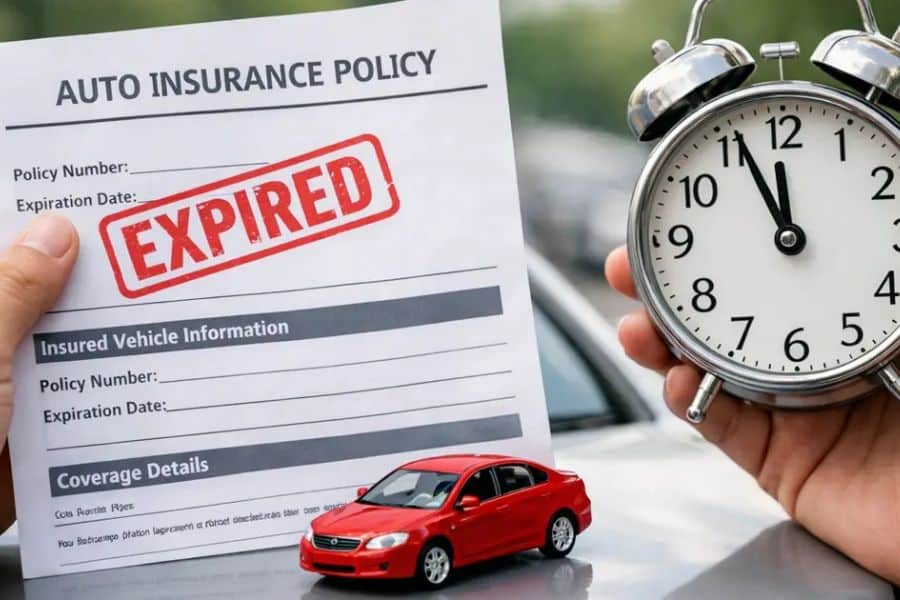
Most people shop for insurance once: when they first need it. They take out a policy, set up auto-renewal, and that’s that. The problem is that insurance pricing changes constantly, and the deal you got three years ago may no longer be the best one available.
Shopping for new quotes every 3 to 5 years is one of the simplest ways to keep costs down. Life events are also a natural trigger. Getting married typically lowers your car insurance rates, since statistically, married drivers have fewer accidents. Buying a home is a perfect moment to bundle and renegotiate. Kids going off to college and no longer driving regularly? That change alone can save $1,500 to $2,000 a year once you update the policy.
Timing within the renewal cycle matters too. Start shopping 30 to 45 days before your policy expires. That gives you enough time to compare properly and switch if you find something better, without the pressure of a looming deadline.
One more thing worth knowing: paying annually instead of monthly can save you $50 to $100 a year, since most companies charge installment fees for monthly billing. It’s a small change that costs you nothing except a slight adjustment to when you pay.
Don’t DIY It and Use an Insurance Pro

When insurance needs get complicated, or when you simply don’t have the time to compare a dozen quotes yourself, an independent insurance agent can save you more than you’d expect.
The keyword there is independent. An independent agent works across multiple insurance companies, not just one. Instead of getting five quotes yourself, they do it for you, and they know which companies offer the best deals for your specific situation.
Teachers, military veterans, government employees, rural homeowners, and people with older cars can all qualify for rate categories that the average person would never find on their own. One independent agent in a recent case study saved a client $600 a year simply by shopping across carriers.
Unlike a captive agent who sells only one company’s products, an independent agent has no reason to steer you toward a policy that isn’t right for you.
Ask them to show you quotes from at least 3 companies and to specify which discounts you qualify for. Ask how they handle claims support, and make sure they review your coverage with you annually, not just when it’s time to renew.
If you prefer the direct route, going straight to a company online can absolutely work for simple situations. The savings from cutting out the middleman can be real. But if your situation is in any way complicated, such as multiple properties, a mixed driving history, or business use of a vehicle, an independent agent is almost always worth your time.
The Hidden Discounts

This is where a lot of money slips through the cracks. Insurance companies offer dozens of discounts that they don’t actively advertise, because the whole point is that you won’t ask unless you know to.
Anti-theft features on your car can save between 5% and 20%. That includes factory alarm systems, steering wheel locks, and vehicle tracking systems. Safety features in your home qualify too, including smoke detectors, deadbolts, fire extinguishers, security systems, and sprinkler systems. Some of these offer discounts of up to 15%.
Setting up automatic payments typically saves around 5%. Going paperless adds a little more. Paying your premium annually instead of monthly can shave off another chunk.
If you have a student on your policy who maintains a B average or better, you may qualify for a good student discount of up to 15%. Being married, being over 50, completing a defensive driving course, and keeping your annual mileage low are all potential discount triggers, too.
Then there are the affiliation discounts most people never think to ask about. Military service, working in education, being a government employee, holding a credit union membership, or belonging to a professional association can all qualify you for lower rates.
The simplest thing you can do is call your insurance company and ask directly: What discounts do you offer, and which ones do I qualify for? You may be surprised by what’s been sitting there unclaimed.
Shopping Around Pays

According to industry research, 92% of people who switch insurance companies end up paying less than they did before.
And yet most Americans stay with the same insurer for over a decade, assuming loyalty pays off. It doesn’t. Insurance companies know which customers are unlikely to leave, and they use that information to gradually raise rates on exactly those people. It’s called price optimization, and it’s completely legal in most states.
The math is startling. Two people with identical driving records and identical cars can be quoted prices that differ by two to three times, simply because they live in different zip codes or happened to have chosen different providers years ago. Shopping around won’t always mean switching, but it gives you something valuable either way: information.
Consumers who shop carriers typically save around 19% on their premiums. A Consumer Reports survey put the median savings for people who switched at $461. That’s a significant sum for what amounts to a few hours of work.
Raise Your Deductible to Save

Your deductible is the amount you pay out of pocket before insurance kicks in. Most people instinctively choose the lowest deductible they can, because a high upfront cost feels scary. Understandable. But that instinct often comes at a higher cost in the long run.
Raising your deductible from $200 to $500 can reduce your annual premium by 15% to 30%. Moving to a $1,000 deductible can save $464 to $525 a year in many cases, and in some situations, it’s even more.
If your premium drops by $500 a year because you raised your deductible by $800, you’d need to file a claim every single year to come out behind. Most careful drivers file a claim once every several years, if that. Over a three-year stretch, you’d pocket $1,575 in savings while paying an extra $800 in deductible costs on a claim. That’s still a net gain of $775.
The one thing this strategy requires is having enough in savings to actually cover the higher deductible if you need to. If a $1,000 surprise would stretch your finances, build your emergency fund first, then revisit this when you’re in a more comfortable position.
Check Your Credit Score
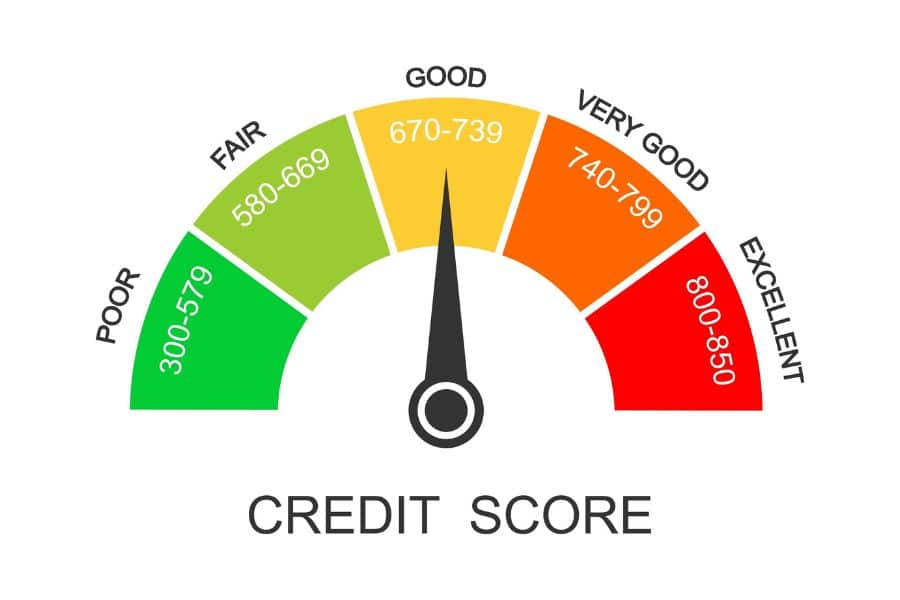
Most people know their credit score affects whether they can get a mortgage or a car loan. Far fewer realize it can also have a significant impact on what they pay for insurance.
In most states, insurance companies are allowed to use your credit score as part of how they calculate your premiums. They call it credit-based insurance scoring, and the difference between a good score and a poor one can be dramatic. Someone with excellent credit might pay $1,000 a year for coverage. Someone with poor credit could pay $1,500 to $2,000 for the exact same policy.
That’s potentially a $1,000 penalty for something most people don’t even know is being checked.
The good news is that credit scores aren’t fixed. Paying bills on time, reducing your credit card balance, and checking your report regularly for errors can all move the needle. Errors on credit reports are more common than most people expect, and disputing them is free. You can pull your report at no cost through annualcreditreport.com.
Improvements don’t happen overnight. Correcting an error can take 30 to 60 days. Consistent on-time payments start showing results within three to six months. But the payoff can be significant: some insurers automatically re-check your credit at renewal, so a better score can translate directly into a lower premium without you doing anything extra.
Disclaimer: The information in this article is for general informational purposes only and should not be taken as professional financial or insurance advice. Insurance products, pricing, discounts, and regulations vary by state, provider, and individual circumstances. Always consult with a licensed insurance professional before making changes to your coverage. Savings figures mentioned are based on industry research and averages, and individual results will vary.