
If your phone is anything like mine, it’s full of photos, some better than others. In fact, I wouldn’t mind betting that amongst those thousands of images are a few absolute beauties that businesses or content creators would pay good money for.
I’m no photographer, but as someone who travels a lot, I take a lot of photos. Often, I’ll take ten of the same thing till I get the shot I’m looking for. These photos are for my use as a content creator, but I’ve recently started earning money from them.
Rather than have them sit there on my phone doing nothing, it makes sense to earn a few dollars. So, I did some research and found plenty of sites willing to list my photos, and it’s turned into a great little side hustle with very little work required on my side.

How You Can Make Money By Selling Photos From Your Phone
When you upload a photo to a stock site, you keep the copyright. You’re simply licensing the right for others to use it. Every time someone downloads your image, you earn a commission.
Some platforms operate on a subscription model, where buyers pay monthly and download a set number of images. Others use a credit or pay-per-download system. Most use a mix of both.
Your cut per download can range from a few cents on high-volume platforms to $60 or more on premium sites. The key to building a meaningful income is growing a portfolio large enough that downloads happen regularly, even when you’re not looking.
10 Image Stock Websites That Pay For Your Photos
Travel shots, food photography, lifestyle moments, family scenes, seasonal snapshots. All of it sells. The global stock photography market reached $6 billion in 2025 and continues to grow. Someone out there is actively searching for exactly the kind of photo you already have sitting in a folder doing nothing.
Here’s how to start turning that collection into income.
Depositphotos
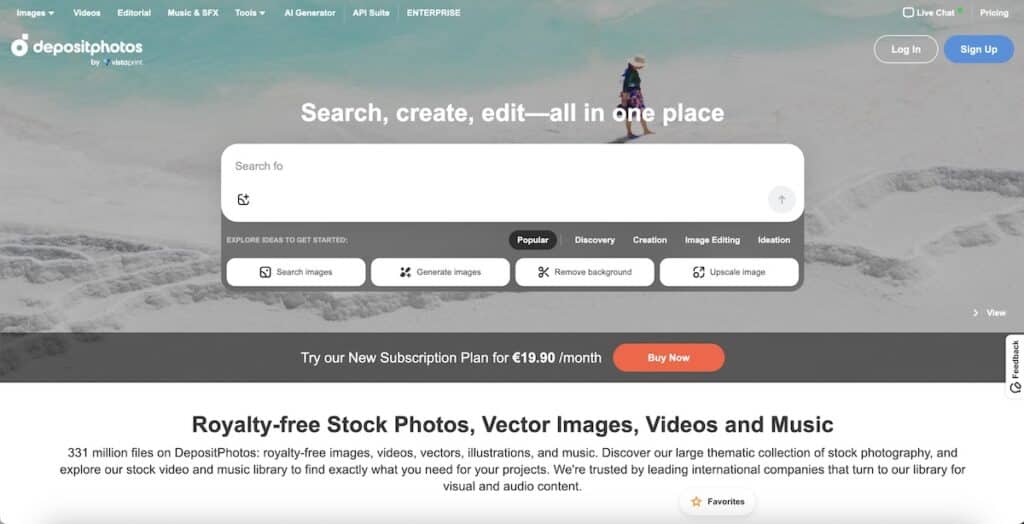
Depositphotos has been running since 2009 and has grown into one of the larger stock platforms, with over 200 million files and contributors in 192 countries. I use Depositphotos myself when I don’t have the images on my phone. So it made sense to start with them when submitting my photos.
They use a tiered commission structure, so the more downloads you accumulate, the higher your royalty percentage climbs.
Starting contributors earn around 30% per image sold through on-demand packs, with that percentage rising as your download count grows. For subscription-based downloads, earnings are a fixed amount per file.
You can withdraw your balance once it hits $25, and payments are made via PayPal, Payoneer, or Skrill. The platform’s search functionality is particularly strong, helping buyers discover your work without you having to do much to promote it.
Shutterstock
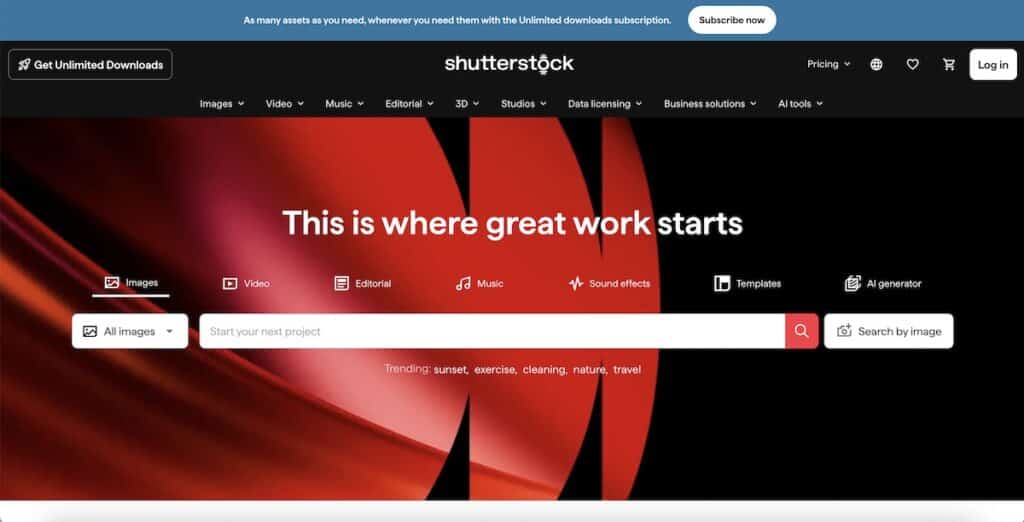
Shutterstock is one of the biggest names in stock photography, with over 450 million images in its library and millions of buyers worldwide. For contributors, the platform uses a tiered earnings model. Your commission percentage increases as your lifetime download count grows.
Because the buyer base is so large, even average images can find a consistent audience. The best-performing content tends to be lifestyle shots, travel imagery, food, business scenes, and anything that tells a clear, relatable story.
Signing up is simple. You submit a few sample images for review, and once approved, you start uploading. Payouts are made monthly, and you can cash out via PayPal or bank transfer.
One thing worth knowing before you start: keyword your images carefully. Visibility on Shutterstock depends heavily on how well you tag your work, so take the time to do it properly.
Getty Images
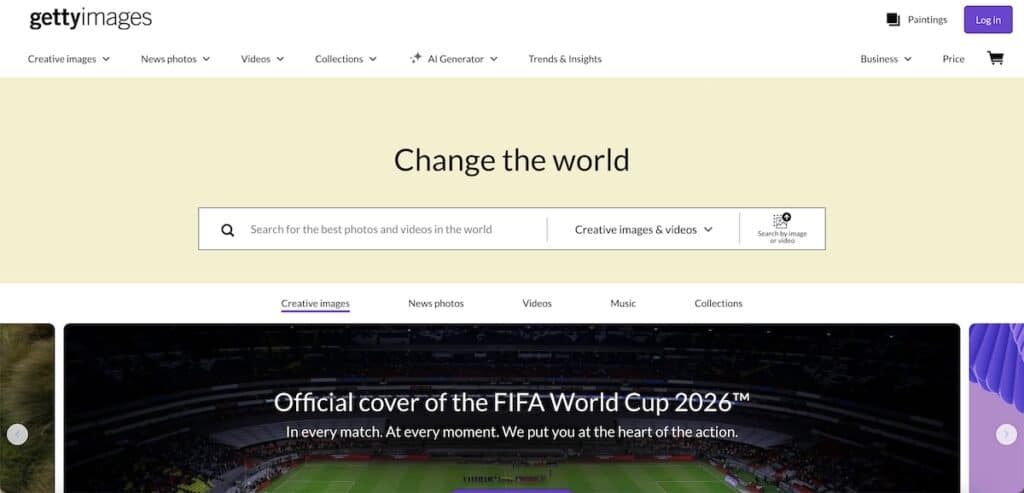
Getty Images operates at the premium end of the market. It’s where major publishers, advertising agencies, and media companies go when they need standout photography. Higher standards at submission, but the rewards reflect that.
Contributors can earn between 15% and 45% on each licensed image. Because Getty’s clients are often willing to pay significantly more per image than on microstock platforms, individual sales can be far more valuable.
The application process involves submitting a portfolio for review. If accepted, your images enter Getty’s global library. It’s selective, but if your photography has a professional edge, it’s worth applying.
iStockPhoto
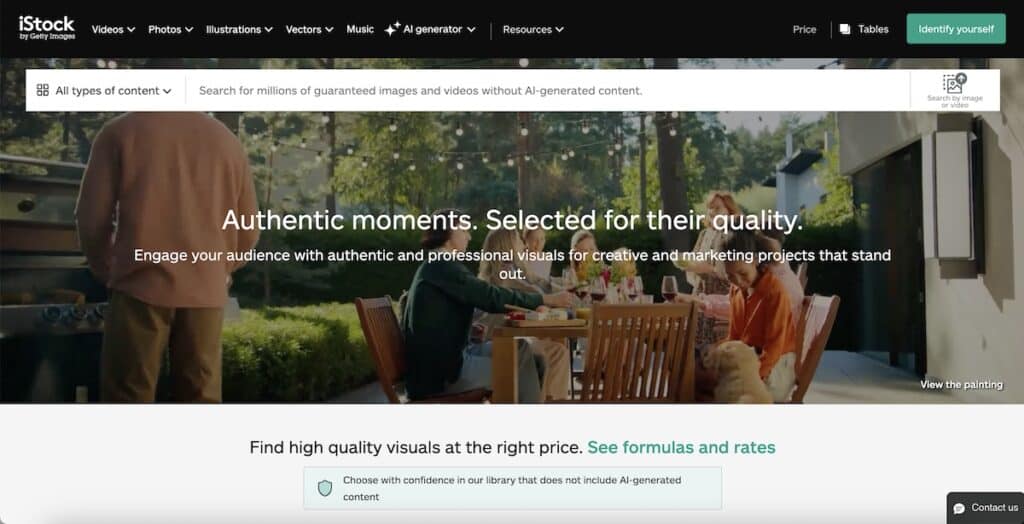
iStockPhoto is Getty’s more accessible sibling. Getty acquired it back in 2006, and it operates as a microstock platform, which means lower price points but a much wider audience.
Commission rates range from 15% to 45%, depending on whether you submit exclusively to iStock or also list your images elsewhere. Exclusive contributors earn at the higher end, so if iStock turns out to be your strongest performer, exclusivity is worth considering.
Getting started involves applying with a set of sample images. Once accepted, you can start building your portfolio. It’s a good entry point for photographers who want access to Getty’s buyer network without the stricter requirements of the main platform.
Dreamstime
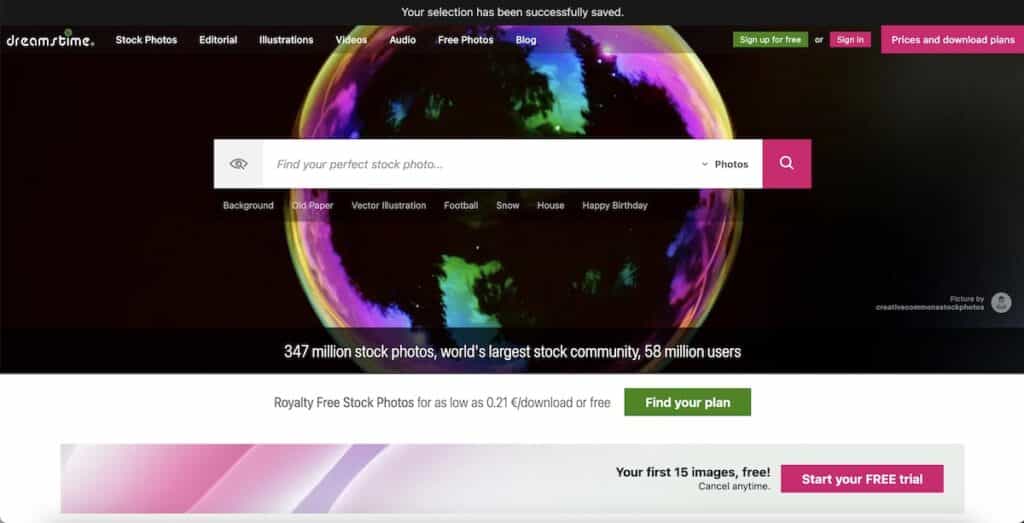
Dreamstime has been around since 2000, making it one of the oldest microstock platforms still going strong. Its library now holds over 130 million images, and it attracts a steady base of buyers seeking affordable, high-quality stock.
Contributors earn between 25% and 50% for non-exclusive content, with exclusive images earning more. The platform also rewards consistency over time, so the longer you contribute, the better your rates become.
One thing Dreamstime does well is providing contributors with data on what’s selling. That’s genuinely useful when you’re deciding what to shoot next. Food, travel, family, and business content all perform well here.
Stocksy

Stocksy is a different kind of stock platform. It’s structured as a co-operative, meaning contributing photographers are co-owners of the business. That shift in model translates directly into better pay.
Contributors earn 50% royalties on standard license sales and 75% on extended license sales. Those are among the highest rates in the industry. The platform also offers year-end profit sharing when the co-op turns a profit.
The trade-off is exclusivity. Images sold through Stocksy cannot be listed anywhere else. And getting accepted is competitive. Stocksy currently has around 900 contributors, selected from thousands of applications. They’re looking for authentic, story-driven work with a distinctive visual style.
If your photography has a strong point of view, Stocksy is worth applying to. The payout alone makes it one of the most attractive platforms on this list.
Fotolia By Adobe
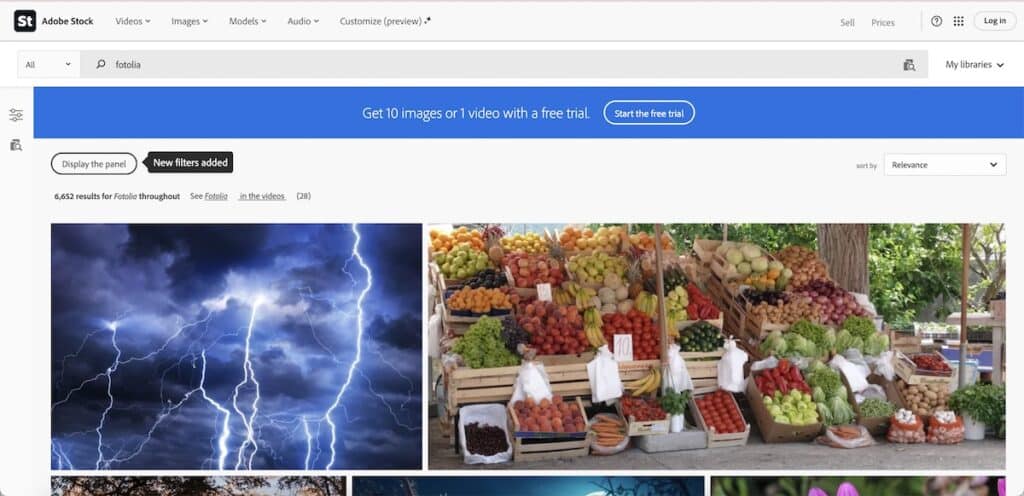
Fotolia started life as a standalone stock platform before Adobe acquired it in 2014 and merged it into Adobe Stock. Submitting through Fotolia today means your images land directly inside the Adobe Stock library, with visibility inside Creative Cloud apps like Photoshop and Illustrator.
That’s a meaningful advantage. Millions of designers use Adobe tools every day, and having your images appear natively inside those apps means discovery happens organically, without you having to push for it.
Contributors earn a 33% royalty on each licensed image. Payments are made via PayPal, Payoneer, or Skrill, and you can request a payout once your balance reaches $25. The platform accepts photos, vectors, illustrations, and video, so if you create across multiple formats, it’s an efficient platform to work with.
MiPic

MiPic takes a different approach to monetizing your photography. Rather than licensing digital files, MiPic prints your images onto physical products like art prints, phone cases, cushions, mugs, and tote bags, then sells them directly to customers.
You set your own prices, which means your margin is entirely in your hands. When someone buys a product featuring your image, you earn a commission on that sale.
It’s a particularly good option for photographers whose work has a strong visual impact. Travel photography, bold landscapes, and striking food images translate well to print. It also means your income isn’t tied to subscription download cycles, which can be unpredictable on other platforms.
Photocase
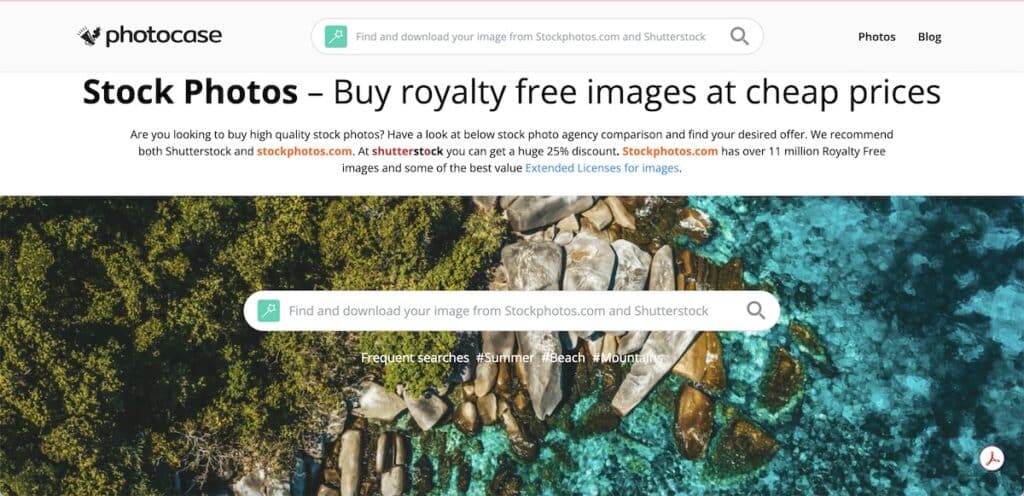
Photocase is a Berlin-based platform founded in 2001, and it operates very differently from the big microstock sites. It’s curated, selective, and focused on contemporary, authentic imagery with a distinctly European aesthetic.
Every submitted image goes through a review by human editors before being accepted into the library. That selectivity keeps the quality high and means your accepted work faces less competition from generic filler images.
Commission rates start at around 20% and can reach up to 50% for high-performing images. Buyers use a credit-based system, and images are priced individually based on size and usage rights. If you shoot with an artistic or documentary eye, Photocase is worth exploring.
500px
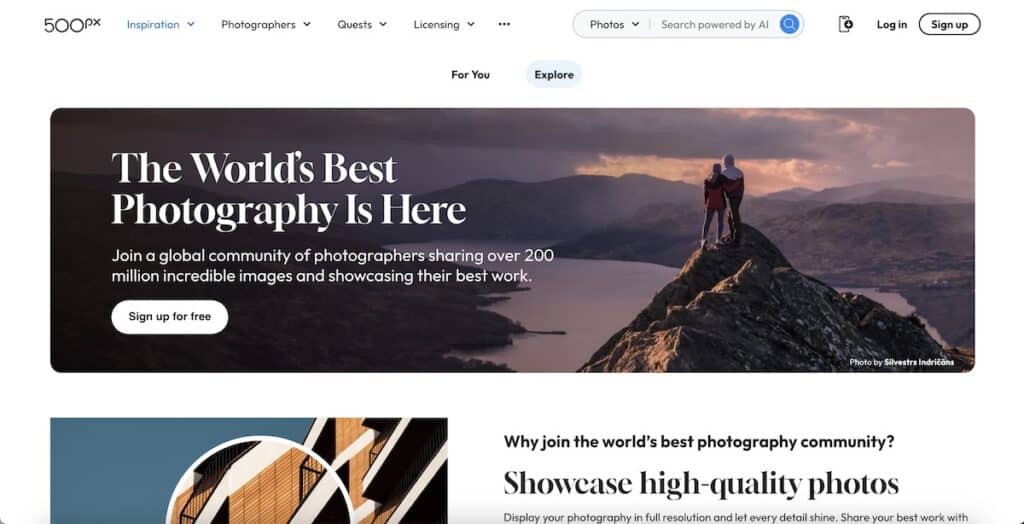
500px is both a photography community and a licensing platform, which makes it a little different from the others on this list. You can share your work publicly, build a following, and submit images for commercial licensing, all within the same platform.
For licensing, 500px partners with Getty Images and VCG (Visual China Group) to distribute your photos to buyers worldwide. Exclusive contributors who submit through 500px earn 60% of net sales, and photographers on paid membership plans can earn up to 100% of net sales for exclusively submitted images.
One thing worth knowing before you sign up: 500px’s contributor agreement gives the platform and its distribution partners full discretion over pricing. That means you won’t always know the exact price a buyer paid for your image, which some photographers find frustrating. Go in with eyes open on that point.
That said, the community element of 500px is valuable, especially if you’re early in your photography journey and want exposure alongside potential income. The platform’s Pulse algorithm surfaces new photographers to buyers, which gives newer contributors a real chance of getting noticed.
This article is for informational purposes only and does not constitute financial advice. Earnings from stock photography vary widely depending on portfolio size, image quality, platform, and market demand.