
If you’re anything like me, you’re already planning your 2026 vacation and thinking about where you can head off to. Sunsets over the cliffs in Portugal, coffee in medieval squares in Prague, and cocktails on a Greek Island. They’re all on my wish list.
But then I stop and think about the cost. How can I afford my dream holiday without bleeding myself dry? Is it possible to have it all, the weather, the sunsets, the food, and the experience?
Well, you’ll be pleased to know that the answer to that question is yes, it is possible to have it all. The secret? Skip the obvious choices.
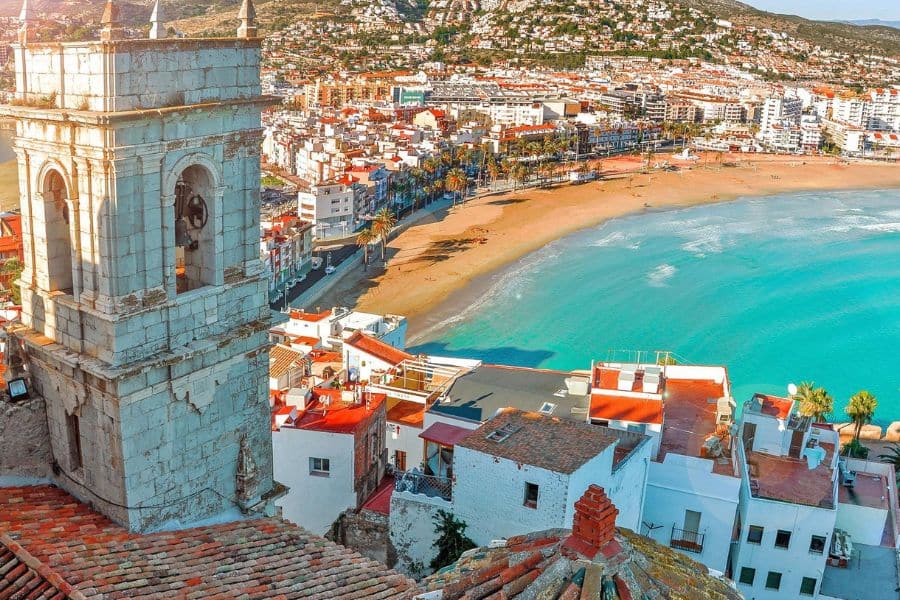
The 10 Cheapest European Countries for 2026
These ten European countries are the cheapest without compromising quality and, in many cases, are cheaper than vacationing in the US.
Portugal
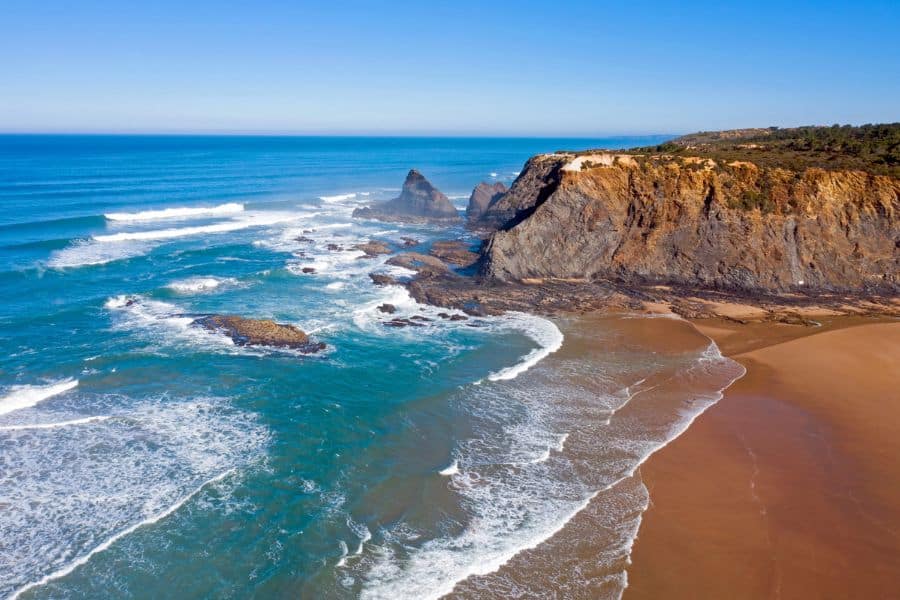
Portugal delivers sun, seafood, and stunning coastlines without Western European prices. While Lisbon has gotten pricey, venture beyond the capital, and your dollar stretches much further.
The Alentejo region covers a third of Portugal, with cork forests, whitewashed hilltop villages, and wild Atlantic beaches with no one around. Medieval towns like Évora pack Roman temples and Gothic cathedrals.
Weekend markets sell local cheese and wine. The coast between Comporta and Odeceixe offers beaches where you can walk for an hour without passing another person.
Daily budget:
- Budget travelers: $50–$70 per day
- Mid-range travelers: $100–$150 per day
- Meals: Restaurant with wine $15–$25
- Accommodation: Hostels from $25/night, hotels $60–$90/night
Best spots:
- Évora for Roman ruins and medieval atmosphere
- Alentejo wine country for vineyard tastings
- Comporta for empty beaches
- Porto for port wine cellars
Pro tip: Visit Alentejo in shoulder season (May or September) for 75% savings on hotels and perfect weather without summer crowds.
Albania

The Albanian Riviera sits on the same coastline as Greece and Croatia. Turquoise water, mountains dropping into the sea, but far fewer tourists and prices that won’t bankrupt you.
Albania’s no longer the $20-a-day destination, but it’s still incredible value. Roads are excellent, beaches stay relatively empty even in July, and seafood dinners with wine cost what you’d pay for an appetizer in Italy.
Gjipe Beach sits at a canyon’s end with no roads or buildings, just white pebbles and crystal-clear water.
Daily budget:
- Budget travelers: $40–$55 per day
- Mid-range travelers: $60–$80 per day
- Meals: Restaurant with wine $10–$20, street food $3–$6
- Accommodation: Guesthouses $30–$40/night, hotels from $40/night
Best spots:
- Himarë for bay views and waterfront tavernas
- Dhërmi is a quiet village above stunning beaches
- Gjirokastë, an UNESCO town with Ottoman houses
- Ksamil for turquoise water and island hopping
Pro tip: Rent a car to access hidden beaches between Dhërmi and Jale that rough roads keep free from tour buses.
Poland
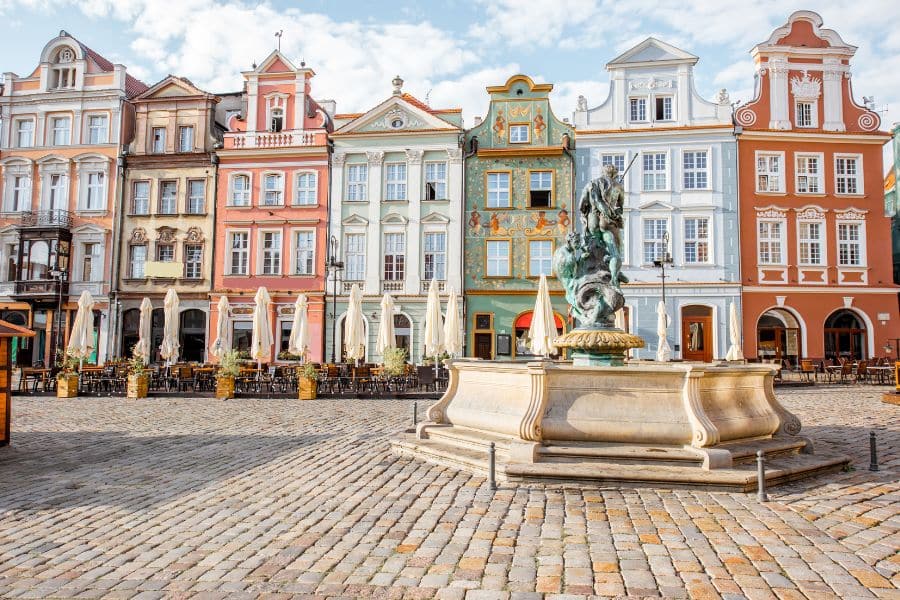
Poland has world-class museums, stunning medieval architecture, incredible food, and low Western European prices.
Kraków’s medieval Old Town features one of Europe’s largest market squares and Wawel Castle overlooking the river. Milk bars (Soviet-era canteens) serve massive portions of traditional Polish food for $4–$7. Warsaw’s reconstructed Old Town rose from the rubble of World War II, and public transport costs almost nothing compared to other capitals.
Daily budget:
- Budget travelers: $30–$50 per day
- Mid-range travelers: $70–$90 per day
- Meals: Milk bars $4–$7, regular restaurants $10–$18
- Accommodation: Hostels $15/night, hotels $40–$70/night
Best spots:
- Kraków for medieval squares and the Jewish Quarter
- Warsaw for history museums
- Wieliczka Salt Mine
- Tatra Mountains for alpine hiking
Pro tip: FlixBus makes intercity travel cheap. Warsaw to Kraków costs around $10 for a four-hour journey with Wi-Fi and bathrooms.
Romania
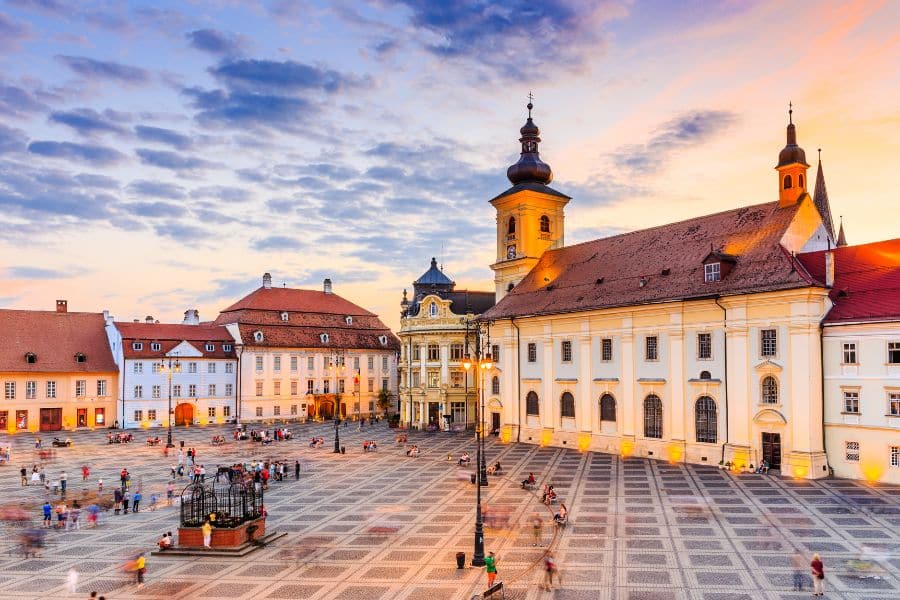
Romania offers medieval architecture, mountain scenery, and cultural richness at half the price of Prague or Budapest. Transylvania lives up to every fairy tale expectation.
Brașov’s Gothic spires rise against the Carpathian Mountains. Sighișoara’s medieval town looks unchanged from 800 years ago. The Transfăgărășan Highway winds through mountains with hairpin turns and jaw-dropping views. Painted monasteries of Bucovina display 15th-century frescoes, and the local food, like sarmale and mici, costs next to nothing.
Daily budget:
- Budget travelers: $40–$60 per day
- Mid-range travelers: $80–$120 per day
- Meals: Restaurant with wine $10–$15, street food $3–$5
- Accommodation: Hostels $12–$25/night, hotels $35–$60/night
Best spots:
- Brașov for the medieval center and mountain access
- Bran Castle (Dracula’s Castle)
- Transfăgărășan Highway (open June–October)
- Painted monasteries of Bucovina
Pro tip: Rent a car to drive the Transfăgărășan Highway. It’s only open June through October, but it ranks among Europe’s most spectacular drives.
Bulgaria
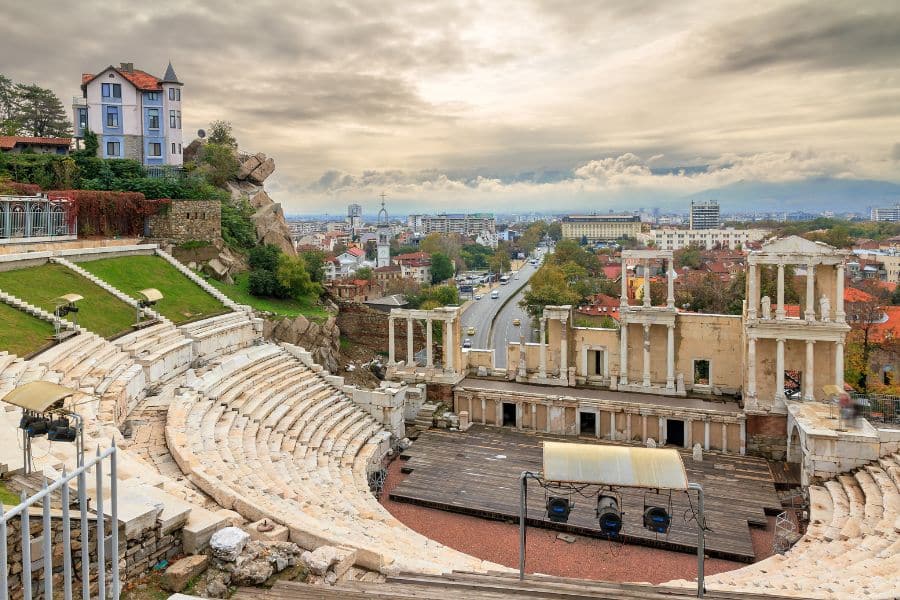
Bulgaria flies under the radar, with Black Sea beaches, ski resorts, and Sofia, the capital, blending Roman ruins, Orthodox churches, and Soviet monuments.
Costs run roughly half what you’d spend in neighboring Greece. The Roman amphitheater in Plovdiv still hosts concerts, and the gold domes of the Alexander Nevsky Cathedral dominate Sofia. Sozopol preserves its old town while offering beach access.
Daily budget:
- Budget travelers: $30–$50 per day
- Mid-range travelers: $60–$90 per day
- Meals: Restaurant $8–$14, beer $2–$4
- Accommodation: Hostels $12–$20/night, hotels $35–$55/night
Best spots:
- Sofia for history covering Roman to Soviet
- Plovdiv for the Roman amphitheater and the colorful old town
- Sozopol for Black Sea beaches
- Rila Monastery in the mountains
Pro tip: Visit Rila Monastery early in the morning before tour buses arrive. The mountain setting and frescoed church are worth the early wake-up.
Hungary

Budapest delivers one of Europe’s most stunning capital cities at a fraction of the cost of Paris or London. Thermal baths, Gothic architecture, and the Danube waterfront create postcard views everywhere. I think it’s one of my favorite European countries behind France – I have to say that because I live there.
The Parliament Building dominates the riverfront, and the thermal baths, where locals have soaked for centuries, cost around $20 for a full day. The Jewish Quarter buzzes with ruin bars in abandoned buildings. Hungarian food like gulyás and lángos costs next to nothing. Lake Balaton offers Central Europe’s largest lake with beaches and surrounding wine regions.
Daily budget:
- Budget travelers: $40–$60 per day
- Mid-range travelers: $80–$120 per day
- Meals: Restaurant $10–$15, beer $2–$3
- Accommodation: Hostels $15–$25/night, hotels $45–$75/night
Best spots:
- Budapest for thermal baths and architecture
- Széchenyi Thermal Baths
- Jewish Quarter ruin bars
- Lake Balaton for beaches and wineries
Pro tip: Skip crowded Széchenyi and try Veli Bej, a 16th-century Ottoman bath with original atmosphere and far fewer tourists.
Czech Republic
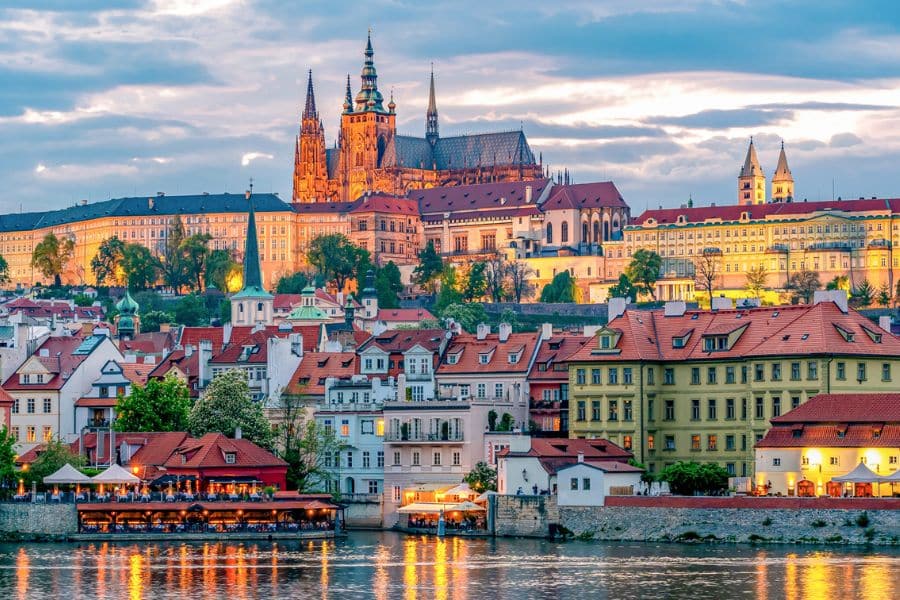
Prague dominates Czech tourism with Charles Bridge and Prague Castle, but the country offers incredible value once you leave the capital’s tourist center.
Czech beer, arguably the world’s best, costs $1.75–$2.50 for a half-liter outside Prague’s center. Český Krumlov delivers fairytale architecture wrapped in a river bend. Plzeň offers Pilsner Urquell brewery tours ending with unpasteurized beer, and if you love history, as I do, there are medieval castles around every corner, or so it seems.
Daily budget:
- Budget travelers: $50–$70 per day (outside Prague)
- Mid-range travelers: $80–$120 per day
- Meals: Restaurant $8–$12, beer $1.75–$2.50
- Accommodation: Hostels $18–$30/night, hotels $50–$80/night
Best spots:
- Prague for Charles Bridge and the castle
- Český Krumlov is a medieval town
- Plzeň for brewery tours
- Bohemian castles
Pro tip: Stay overnight in Český Krumlov. Day-trippers swarm during summer days, but evenings and mornings give you the medieval town to yourself.
Greece (Beyond the Islands)
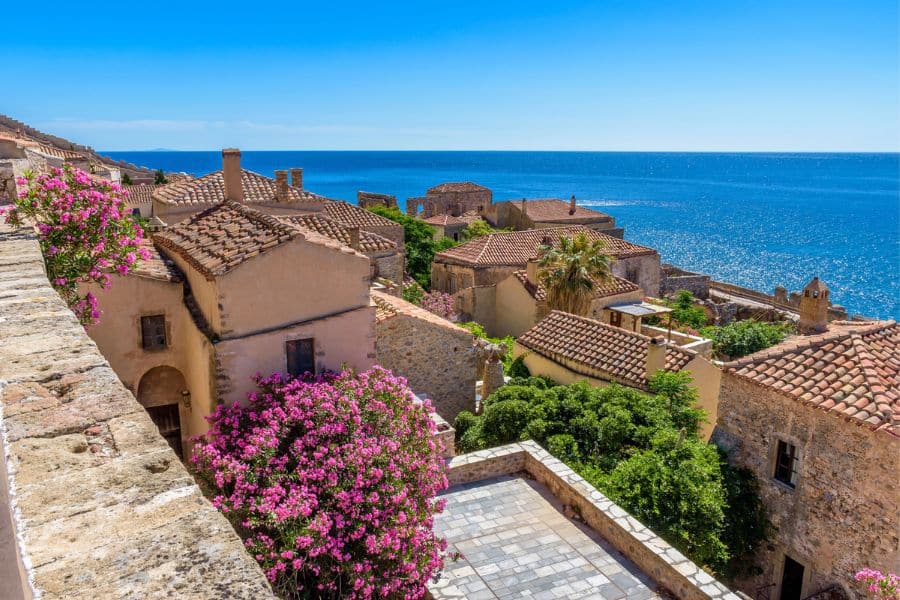
Greece has a reputation for being expensive if you stick to Santorini and Mykonos. The Peloponnese and lesser-known islands offer the Greece that existed before Instagram.
Ancient Olympia, where the Olympics started, Mycenae, where Agamemnon ruled, and Monemvasia, a Byzantine fortress town built into a rock. Nafplio’s Venetian harbor and fortress views are breathtaking, and Kythnos has 70 beaches, most accessible only by boat. Thermal springs at Loutra mix hot mineral water with cold seawater.
Daily budget:
- Budget travelers: $50–$70 per day
- Mid-range travelers: $80–$120 per day
- Meals: Taverna with wine $12–$18
- Accommodation: Guesthouses $60–$90/night
Best spots:
- Nafplio is a Venetian town with archaeological access
- Mani Peninsula for tower houses and wild coast
- Monemvasia has a Byzantine fortress
- Kythnos for empty beaches
Pro tip: Stay overnight in Monemvasia. After day visitors leave, you’ll have Byzantine churches and stone alleyways to yourself.
Turkey
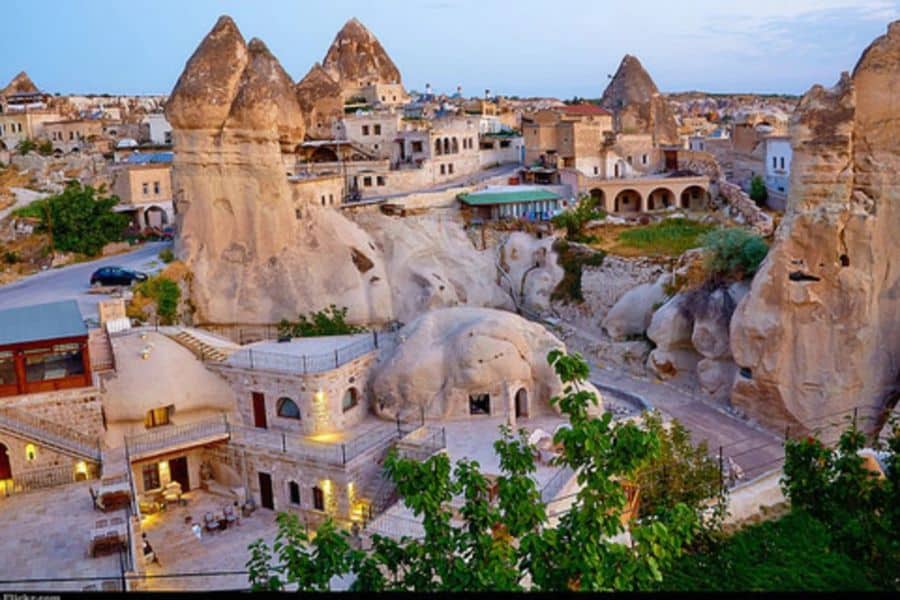
Turkey straddles continents. Istanbul mixes Byzantine churches and Ottoman palaces, while Cappadocia’s fairy chimneys look unreal.
The Turkish lira’s weakness creates extraordinary value for Americans. Fantastic meals cost $5–$10, and boutique hotels run $15–$35/night. Cappadocia’s hot air balloon rides cost a fraction of similar experiences elsewhere, and the Turquoise Coast rivals Greece and Italy for beaches at Turkish prices.
Daily budget:
- Budget travelers: $35–$55 per day
- Mid-range travelers: $70–$110 per day
- Meals: Restaurant $5–$10, street food $2–$4
- Accommodation: Hotels $15–$35/night
Best spots:
- Istanbul for its history spanning empires
- Cappadocia for fairy chimneys and hot air balloons
- The Turquoise Coast for beaches
- Ephesus for Roman ruins
Pro tip: Istanbul’s tram costs about $0.50 per ride. Skip expensive taxis and use the excellent public transport system.
Spain (Beyond Barcelona & Madrid)
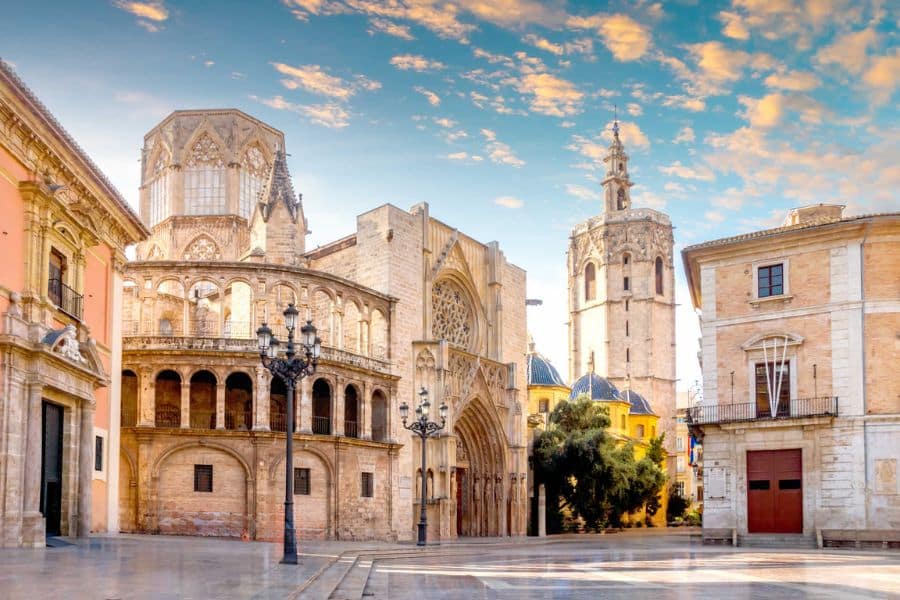
Spain’s major cities attract tourists and have higher prices. The real Spain exists in regions most tourists never consider, delivering medieval architecture and incredible food at half the cost.
Extremadura gave Spain its conquistadors and offers palaces and monasteries without crowds. Cáceres’ UNESCO World Heritage old town looks like a film set, and Valencia offers Mediterranean beaches, the City of Arts and Sciences, and the birthplace of paella. Asturias delivers a dramatic coastline and cider culture.
Daily budget:
- Budget travelers: $50–$70 per day
- Mid-range travelers: $80–$120 per day
- Meals: Restaurant $12–$20, jamón ibérico cheap
- Accommodation: Hotels $40–$70/night
Best spots:
- Cáceres for the medieval UNESCO town
- Valencia for beaches and paella
- Asturias for the northern coast
- Mérida for Roman ruins
Pro tip: Eat lunch as your main meal. Spanish lunch menus offer three courses with wine for $12–$18, half what dinner costs.
Disclaimer: This article is for general information only and is not professional advice. It may contain affiliate links. Please see our full Editorial Policy for details.

Kylie Lang is a nationally syndicated travel journalist with bylines on the Associated Press Wire & more, a lifestyle writer, and the founder and editor of Your Lifestyle Library (yourlifestylelibrary.com). She holds a BA (Honours) in History from the University of Kent and is a member of the British Guild of Travel Writers.