
As I’ve got older, I find it harder to stay up late at night. Those all-night parties take their toll, and I’m more likely to be in bed with a cup of cocoa by 10 pm than out partying the night away. My whole body clock has shifted from staying up late to getting up early. I’ve swapped my night owl routine for an earlybird one.
While there are some things I love about being older, such as not really caring what people think about me, there are plenty of things that bug the hell out of me. One of them is how my body feels and how restrictive it is not being able to easily do some of the things I used to be able to do.
Everything you read about aging tends to focus on what you should be doing during the day rather than at night. However, upon further investigation, there are some straightforward steps you can take as part of your nighttime routine to slow the aging process. So here’s to looking and feeling younger with these nightly rituals that rewind the clock on aging.

7 Simple Nightly Rituals That Rewind the Clock on Aging
Rethink That Late-Night Glass of Wine or Big Dinner
I always remember my mom telling me when I was a kid that you should never go to bed on a full stomach, as it wasn’t good for you. Turns out that wasn’t a load of claptrap she spouted to stop us eating rubbish before we went to bed, it’s true. And as much as I love a glass or two of red wine in the evening, this is also a big no-no.
While alcohol might make you feel drowsy at first, it messes with the deeper stages of sleep your body relies on for repair. That’s when the real anti-aging magic happens, and alcohol tends to cut that short.

Your body ends up working overtime to process both the booze and any heavy meal you’ve eaten, pulling energy away from vital overnight cellular repair. Instead of focusing on renewal, your system’s stuck dealing with digestion.
Late-night eating also keeps your insulin levels higher for longer, which can block key restorative processes, such as autophagy. That’s the body’s way of cleaning out damaged cells, a bit like hitting the reset button while you sleep.
Here’s what helps instead:
- Try to finish eating at least three hours before bed
- If you do get hungry later on, go for a light protein-based snack
- Herbal tea or water works wonders for evening cravings without keeping your body “on duty”
A Little Night Stretch Does More Than You Think
My dad was a big yoga fan, and he’d always stretch it out after he’d been at work all day. I think it was partly because he commuted to London and spent four or five hours traveling every day. It was exhausting, and this was his time to calm his mind.
Most of us spend the day stuck in one position or rushing around, only stopping when we crash onto the couch at night. But taking ten minutes to stretch before bed has completely shifted how I sleep and how I feel when I wake up.

It’s not about flexibility or doing a long yoga session. This is about gentle movement that tells your body it’s safe to rest. A few calm stretches help increase blood flow and deliver the good stuff your cells need to repair while you sleep.
One of my go-tos is putting my legs up against the wall. It sounds strange, but once you try it, you’ll get why people swear by it. It helps your body let go of the day, drains away any heaviness in your legs, and calms that racing mind.
If you’ve had a stressful day or your joints feel tight, try a simple forward fold or a slow spinal twist. Nothing fancy. Just slow breaths and easy movement. Your nervous system responds to that kind of care, and that’s when the real repair work can begin.
Give it a try tonight. A few quiet minutes to stretch, breathe, and check in with yourself.
Your Body Loves a Regular Bedtime (Even If You Don’t)
Going to bed and waking up around the same time every day has a bigger impact than you might think. Your body runs on internal clocks, and when you throw them off, things like energy, mood, and even how your cells repair overnight can become slightly out of sync.
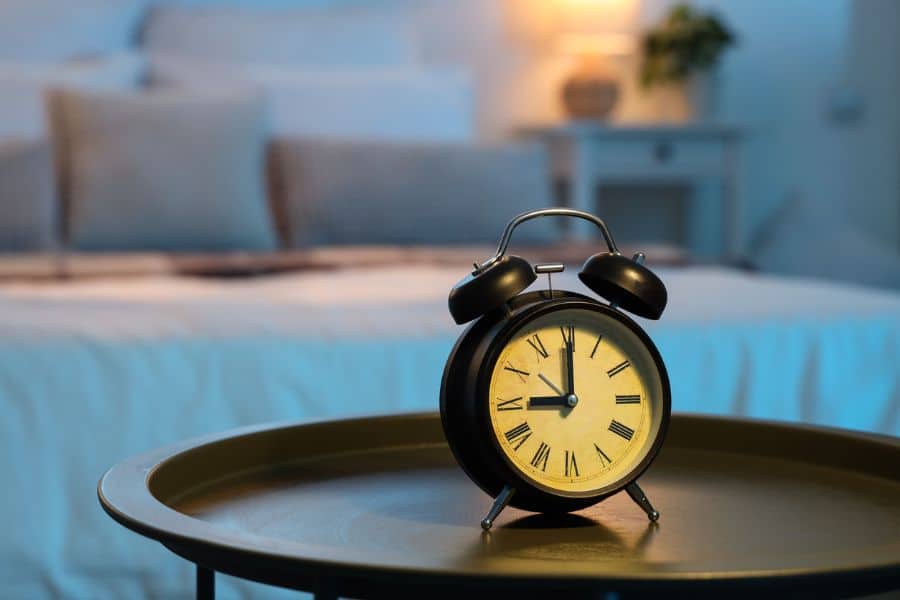
Heading to bed within the same 30-minute window each night starts to make a difference. Your body thrives on consistency. When it knows what to expect, it can get on with the good stuff, like renewing cells, supporting your immune system, and protecting those tiny DNA caps that play a role in how well you age.
So if you’re serious about feeling better in midlife, start with your sleep.
Turn the Heat Down In Your Bedroom
This was an easy one for me as I’m always hot at night, like most women in their fifties. So sleeping in a cooler room at around 60–67°F was pretty much what I was doing anyway. Your body naturally cools down at night as part of its wind-down process. When the room is too warm, it fights against that, which can disrupt your sleep and affect how well your body repairs itself overnight.
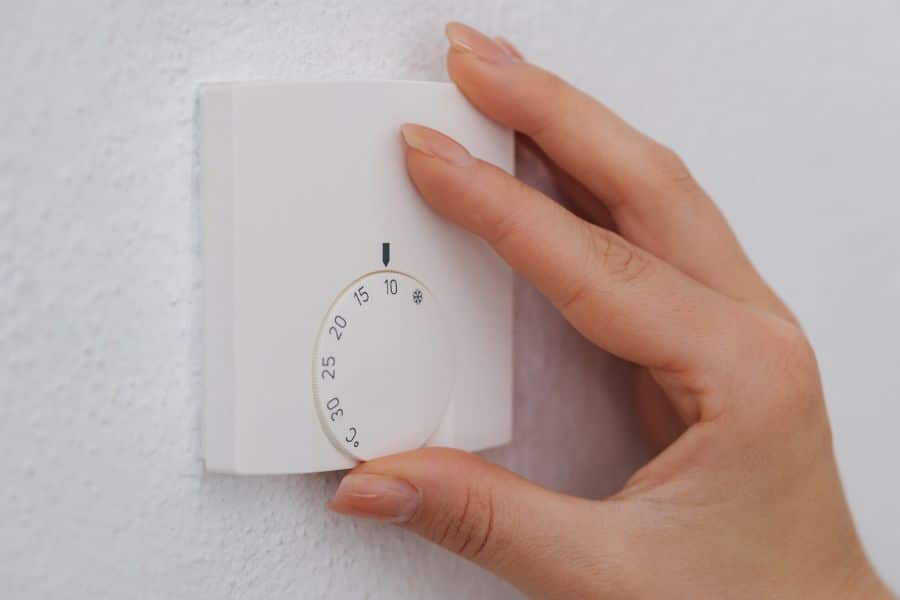
Here’s the interesting bit. Sleeping in a cooler space actually helps boost something called brown fat. It helps your cells produce energy more efficiently. That matters, especially as we age, because the tiny energy factories in your cells, your mitochondria, play a key role in how well you age.
To help, try switching to breathable cotton sheets, crack the window open when possible, and even turn the thermostat down a notch. The result? Deeper sleep, fewer night sweats, and a noticeable difference in how refreshed you’ll feel in the morning.
A Little Help from Magnesium and Melatonin
I didn’t give much thought to supplements until I hit midlife. But somewhere between the restless nights and foggy mornings, I started paying more attention to what my body might be missing.
Magnesium was one of the first things I tried. It’s involved in numerous behind-the-scenes processes, including the repair work your cells perform while you sleep. I didn’t know this at the time, but it actually helps repair small bits of DNA damage that accumulate over time.
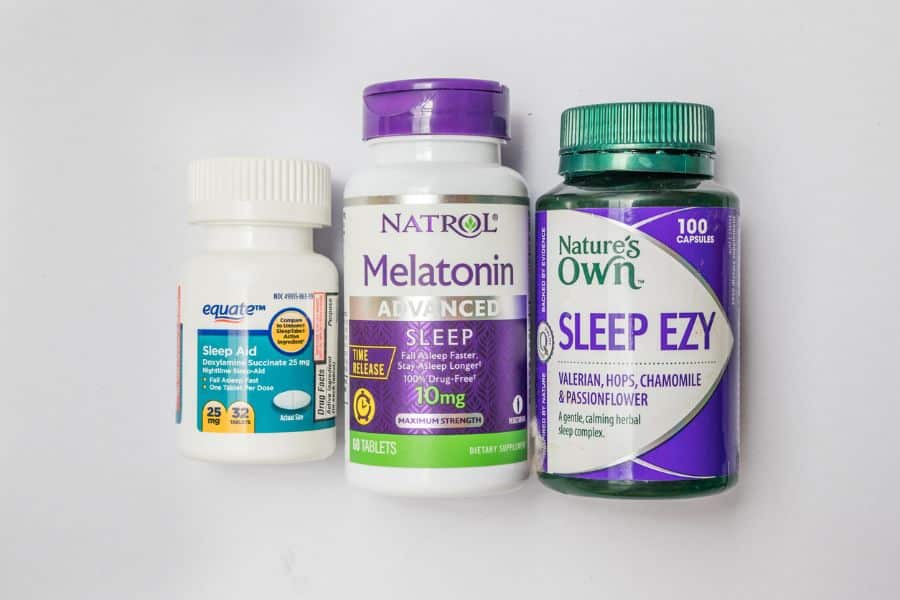
Melatonin, in addition to promoting sleep, also acts as a kind of cellular bodyguard, clearing out the substances that accelerate aging. I have found the best form of Magnesium is the Marine variety. I first came across it when trying to get rid of restless legs that plagued me in peri-menopause. It’s amazing and has done wonders for me.
I usually take Melatonin about 30 to 60 minutes before bed, as it helps me stay asleep rather than constantly waking up throughout the night. And of course, check in with your doctor before adding anything new, especially if you’re already taking medication.
Sometimes, your body just needs a little extra backup. And midlife is the perfect time to start giving it that support.
Give Your Brain a Break from the Glow
This one is a no-brainer, but it makes a big difference. I think we’re all guilty of a little bedtime scrolling before we turn the light off or even falling asleep with our phones in our hands.
The problem is, all that screen time late at night sends the wrong message to your brain. The blue light from phones, tablets, and TVs mimics daylight, which tells your body to stay alert rather than wind down. The result? Your natural melatonin levels don’t rise like they’re meant to.

Melatonin isn’t just the thing that helps you feel sleepy. It also plays a crucial role in protecting your cells while you are at rest. Without enough of it, your body gets less time to do the kind of deep repair work that keeps you feeling and looking your best.
Try putting your phone away about an hour before bed. If you do need to use a screen, switch on the warm night mode or wear blue light glasses. Even small changes like that help.
However, the most effective step is to make your bedroom a screen-free zone. No news, no emails, no rabbit holes. Just soft light, a good book, and a chance for your brain to unplug all promote better sleep and deeper restoration.
How a Simple Scent Can Help You Sleep — and Heal
Did you know how powerful scent can be when it comes to sleep? It turns out that your sense of smell has a direct connection to the part of your brain that manages stress, emotion, and memory. That’s why certain scents, like lavender or chamomile, can shift your body from wired to calm surprisingly quickly.
Lavender helps deepen slow-wave sleep, which is when your body does most of its repair work. That’s also when growth hormone is released, a key player in restoring cells and supporting healthy aging. Chamomile, on the other hand, contains a compound that helps quiet inflammation, one of the main drivers of early aging.
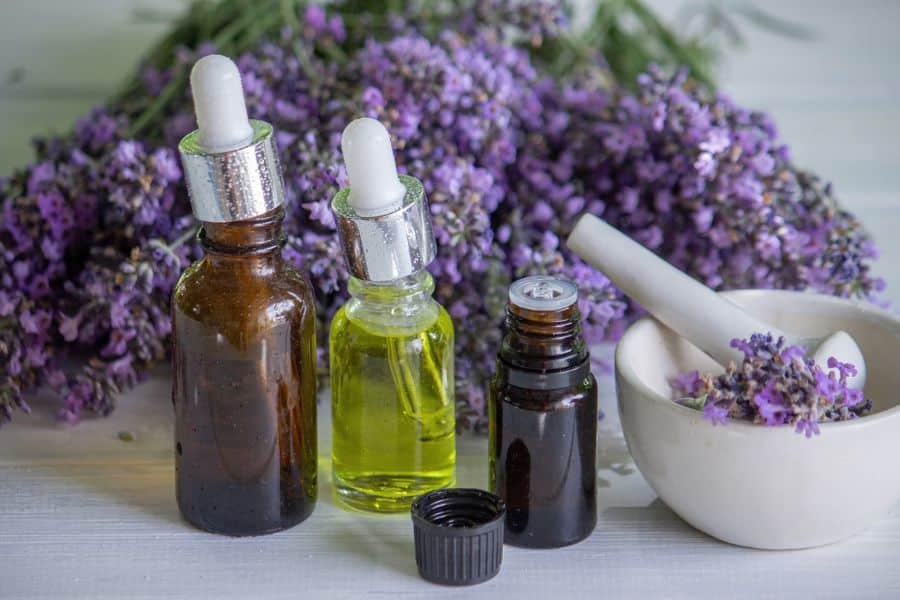
A few drops of essential oil in a diffuser or dabbed onto a cotton pad near your pillow is all you need. It isn’t a massive shift, and you might not notice a huge difference, but you’ll feel calmer and fall asleep faster. And if you’re prone to waking up in the middle of the night, suddenly wide awake, it can help with that too.
It’s such a small shift, but it sets the tone for everything else. Your body receives the message: it’s time to rest, repair, and reset.