
There is nothing fun about aging. Every time I look in the mirror, I feel like a new wrinkle has appeared overnight. Now I’m all for aging gracefully, and I’ve tried plenty of so-called miracle creams that make you look twenty years younger.
But unfortunately, nothing seems to stop the inevitable. Or so I thought. A friend of mine is a dermatologist, and we got to chatting over coffee last week about natural ways to slow the advance of wrinkles.
She told me to stop spending a fortune on creams and try looking in my fridge instead. Turns out, what you eat matters more than any serum I’d been slathering on. The foods you put on your plate can either protect your collagen and fight free radicals or speed up the breakdown of everything, keeping your skin firm and smooth.
7 Foods That Actively Fight Wrinkles
Here are the seven foods my dermatologist friend recommended for fighting wrinkles from the inside out, plus three that are quietly aging your skin faster than you’d like. Who doesn’t want to look younger?
Black Garlic
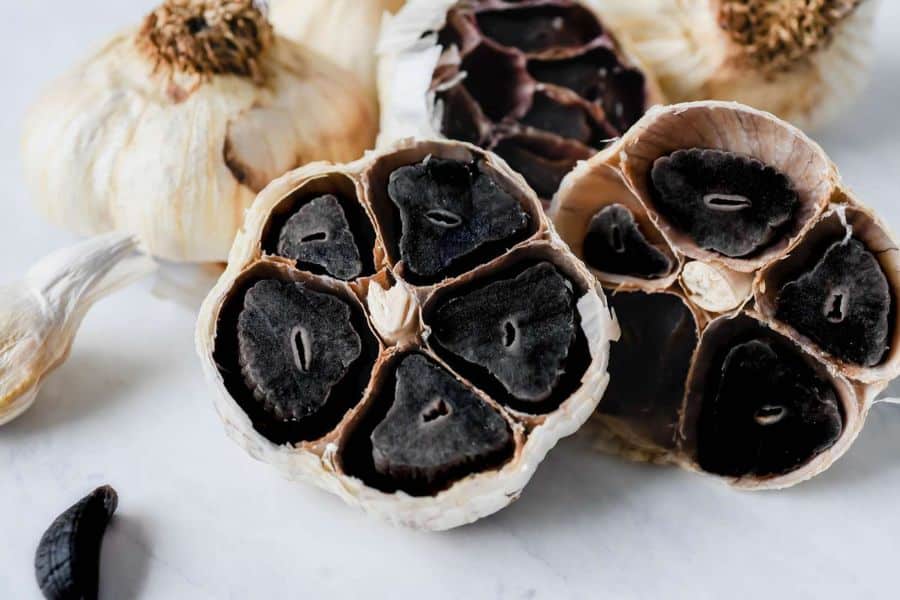
Most of us think of garlic as being white, but black garlic is where the power lies in wrinkle reduction. It’s regular garlic that’s been aged for about a month, and the process turns it sweet and dark like molasses.
Here’s the best part: aging garlic cranks up its anti-wrinkle compounds by huge amounts. Studies show it stops the enzymes that chew up your collagen and helps your skin retain the good bits it needs to make you look younger.
How to eat it: Black garlic has a sweet, almost fig-like taste without the harsh bite of raw garlic. Use it in salad dressings, spread it on toast, or add cloves to roasted vegetables.
Hemp Seeds
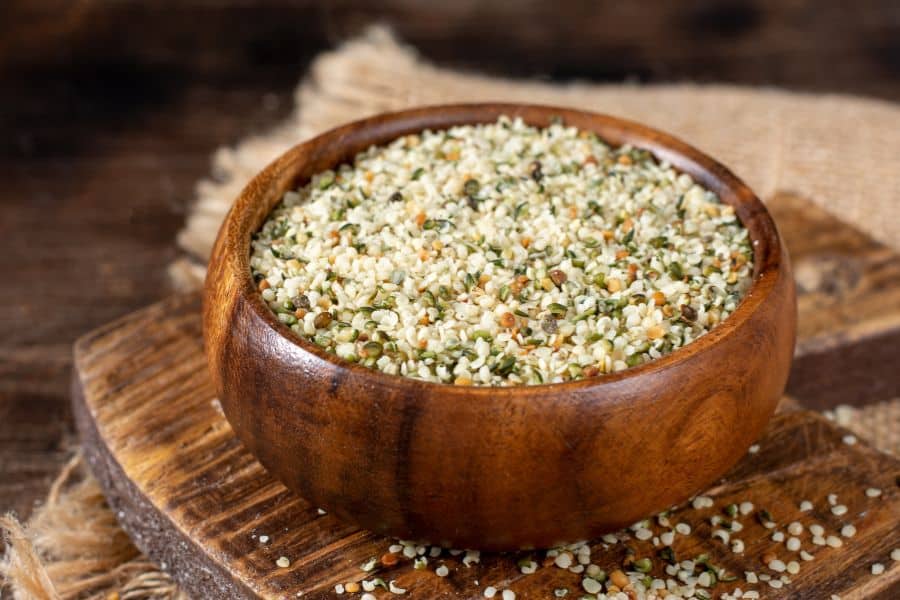
Three tablespoons of these tiny seeds give you 9 grams of protein plus all the amino acids your body needs to build collagen. They’re also loaded with omega-6 fatty acids, which help your skin retain moisture rather than letting it evaporate.
They’re loaded with gamma linolenic acid, an omega-6 fatty acid that strengthens your skin’s lipid barrier and reduces inflammation. Studies show that essential fatty acids from hemp help maintain skin moisture and prevent transepidermal water loss, which leads to wrinkles.
How to eat them: Sprinkle over yogurt, blend into smoothies, or stir into oatmeal. They have a mild, nutty flavor that works in both sweet and savory dishes.
Watercress
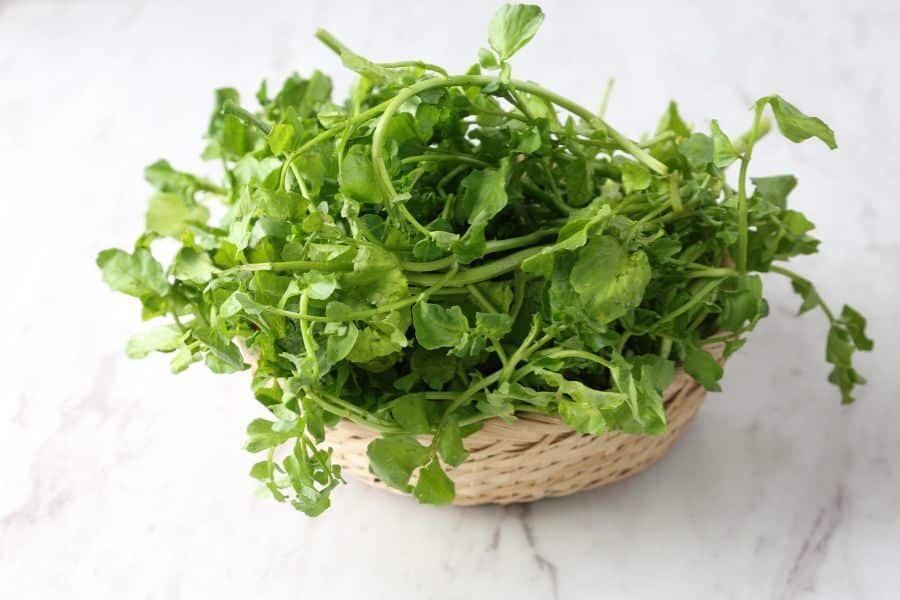
When you chew watercress, your body creates a compound called isothiocyanate that suppresses collagen breakdown and boosts production of the COL1A1 gene responsible for new collagen.
Watercress contains chlorophyll, which helps cells make more procollagen, the precursor to collagen. At 95% water, it delivers 98% of your daily vitamin C while hydrating skin from within.
How to eat it: Toss it into salads, layer it in sandwiches, or blend it into your morning smoothie. The more you chop or blend it, the more isothiocyanate your body produces.
Sea Buckthorn
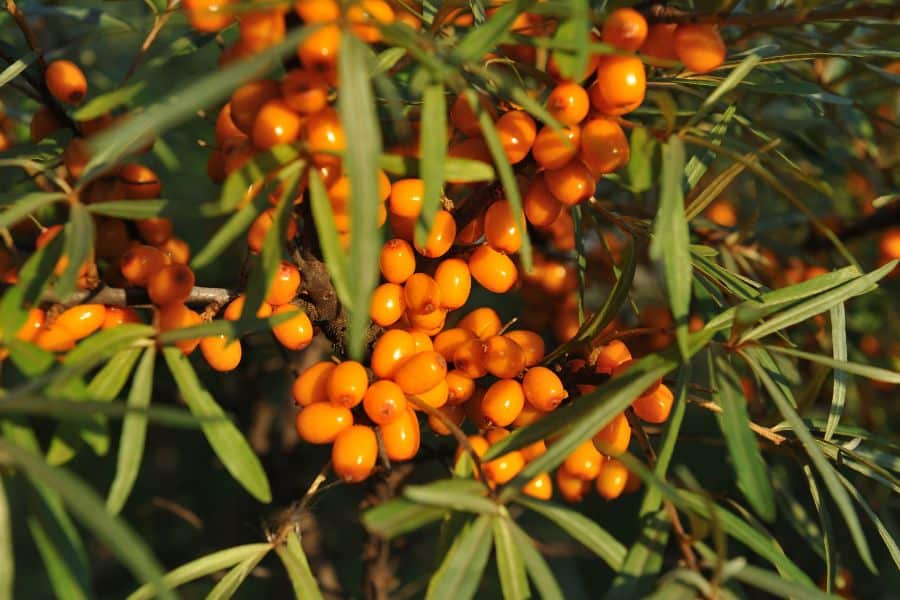
This orange berry contains something most plant oils don’t have: all four omega fatty acids (3, 6, 7, and 9). The real star is omega-7, a rare fatty acid that mimics your skin’s natural oils.
A 2024 study in the journal Nutrients found that women who took sea buckthorn oil for 12 weeks saw marked improvements in wrinkle reduction, skin hydration, and elasticity. Research published in Phytotherapy Research confirmed that topical application significantly improved skin texture after just four weeks.
How to eat it: Look for sea buckthorn oil supplements or juice. The berries themselves are quite tart, so most people prefer the concentrated oil form.
Sardines
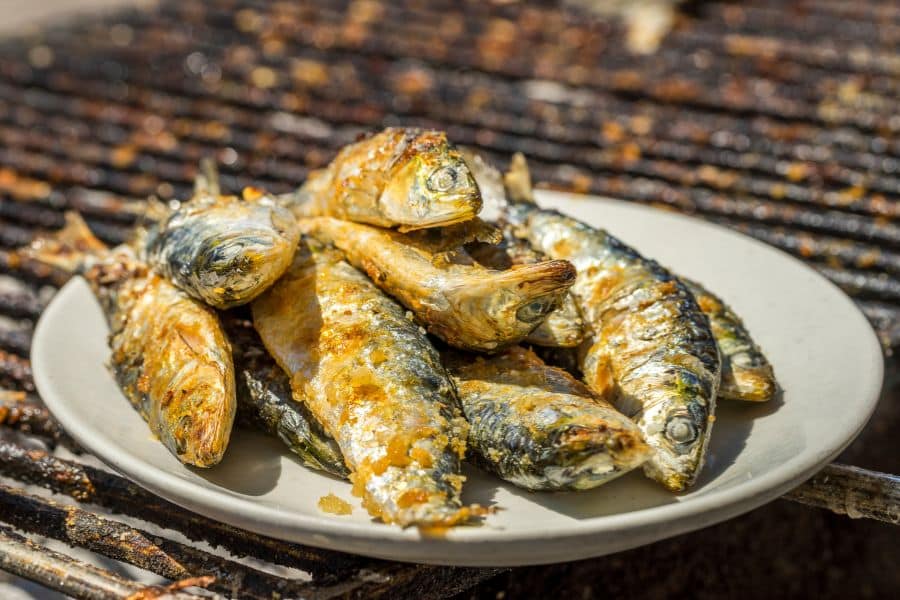
I know, I know. But hear me out. Sardines pack more CoQ10 than almost any other food, and that’s the stuff that powers up your skin cells to make fresh collagen. They’re also swimming in omega-3s that protect the collagen you already have.
One small can gives you over 1,300 mg of the good fats your skin craves.
Research shows that omega-3s from sardines help reduce collagen degradation by lowering the production of the enzymes that break down your skin’s structural proteins.
How to eat them: Mix them with avocado and lemon for toast, toss them into pasta, or add them to salads. Look for sardines packed in olive oil for extra skin benefits.
Purple Sweet Potato
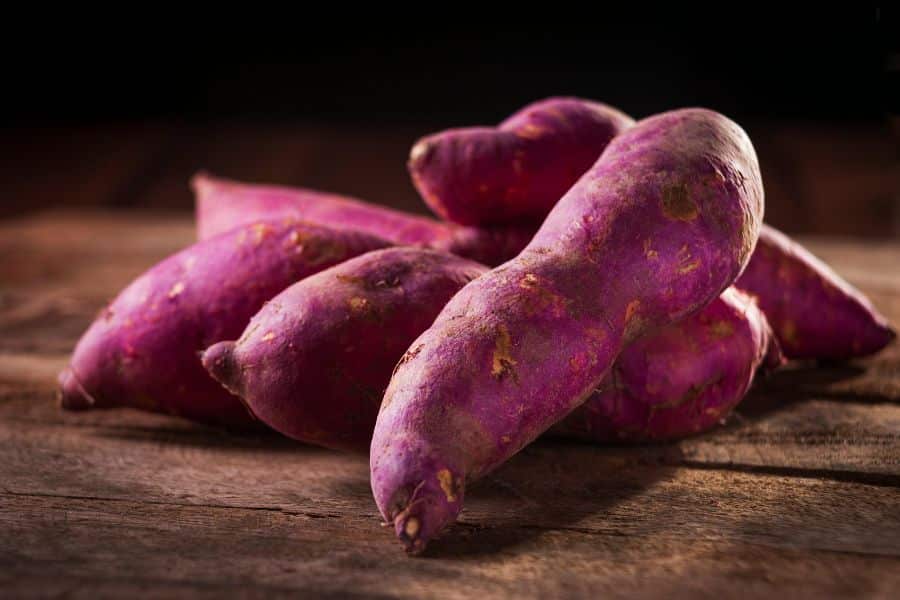
The deep purple color signals high levels of anthocyanins, the same antioxidants found in berries, but at much higher concentrations. These compounds protect your skin cells from UV damage and free radical attack.
Japanese researchers found that anthocyanins help prevent the formation of advanced glycation end products (AGEs), the compounds that make collagen stiff and prone to wrinkling.
How to eat them: Roast them like regular sweet potatoes, steam and mash them, or slice them thin for baked chips. The purple color holds up well with cooking.
Natto

This is fermented soybeans, a Japanese breakfast staple. It contains an enzyme that improves blood flow to your skin, so more nutrients actually reach your face. Fermentation also produces vitamin K2, which helps keep your skin’s elastic fibers from becoming rigid.
Fair warning: it’s an acquired taste with a sticky texture. But it works.
Studies show that fermented soy products help maintain skin elasticity and reduce the appearance of fine lines by supporting the extracellular matrix.
How to eat it: Natto has a strong, acquired taste. Start by mixing small amounts into rice bowls with soy sauce and mustard, or look for natto supplements if the flavor is too intense.
3 Foods That Speed Up Aging
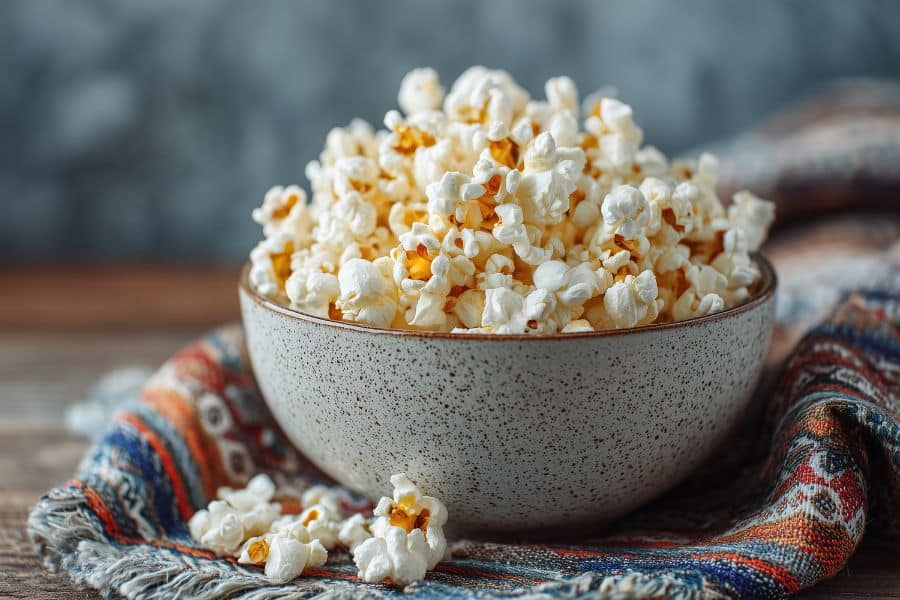
Who would have thought the three foods below could do so much harm? All three of these were items I had in my kitchen and used regularly. Not anymore.
Microwave Popcorn
The bag lining contains perfluorooctanoic acid (PFOA), a chemical that disrupts hormone function and accelerates skin aging. The artificial butter flavoring creates diacetyl, a compound linked to inflammation.
These chemicals interfere with your body’s ability to produce collagen and can trigger inflammatory responses that break down existing collagen faster.
Skip it: Make stovetop popcorn with coconut oil or use an air popper. You get the snack without the aging chemicals.
Margarine
Despite being marketed as a healthier alternative to butter, margarine contains trans fats that promote inflammation throughout your body. These fats damage cell membranes and interfere with your skin’s ability to retain moisture.
Research shows that trans fats accelerate the formation of advanced glycation end products and increase oxidative stress in skin cells.
Skip it: Use grass-fed butter, olive oil, or avocado in moderation. Your skin will thank you for the switch to natural fats.
Agave Nectar
I always thought this was the healthier alternative, apparently not. Agave contains more fructose than high fructose corn syrup, sometimes up to 90%. Fructose breaks down collagen much faster than regular sugar through a process called glycation.
Studies show that fructose accelerates wrinkle formation by forming cross-links in collagen fibers, making the skin stiffer and less elastic.
Skip it: Use raw honey or maple syrup in small amounts. If you must use agave, pair it with foods high in alpha lipoic acid, like Brussels sprouts, which help prevent collagen damage from fructose.
The foods you eat today show up on your face tomorrow. Make the swap to these wrinkle fighters and watch what happens.